
Before a patient calls your clinic, they've usually searched for you. Your name, "skin specialist near me", "child specialist in F-8". What they find in the next ten seconds decides whether they call you or the next doctor on the list.
If all they find is an old Facebook page and a phone number nobody answers after 9 pm, you're losing patients you never hear about.
What patients are looking for
Whatever the speciality, patients ask almost the same questions:
- Which days and times is the doctor sitting?
- What's the fee?
- Where exactly is the clinic, and is there parking?
- Can I book, or do I just turn up?
- Is this doctor any good?
A good clinic website answers all five on the first screen a patient sees on their phone.
What your website should have
Timings and fees, kept up to date. This is what people want most and find least. If your evening clinic moved from Tuesday to Wednesday, the website has to say so.
A WhatsApp button and a phone number that call with one tap. Most patients in Pakistan would rather send a WhatsApp message than fill in a form.
Online booking, if your clinic can handle it. Patients pick a doctor, a day and a time, and get a confirmation and a reminder. Even a simple "request a slot" form that lands on the receptionist's WhatsApp cuts a lot of phone calls.
Google Maps and directions. Put the map on the site, and make sure your Google Business Profile has the same address, phone and timings. That listing is often what shows first when someone searches "near me".
Your qualifications. Degrees, where you trained, your PMDC registration and the conditions you treat. Patients do check.
Reviews. Link to your Google reviews, and ask happy patients to leave one. Never write fake ones. Patients can tell, and Google removes them.
A page for each main service, such as acne treatment, IVF, physiotherapy or root canal, in plain words. These pages are what bring you visits from Google, because they match what people type.
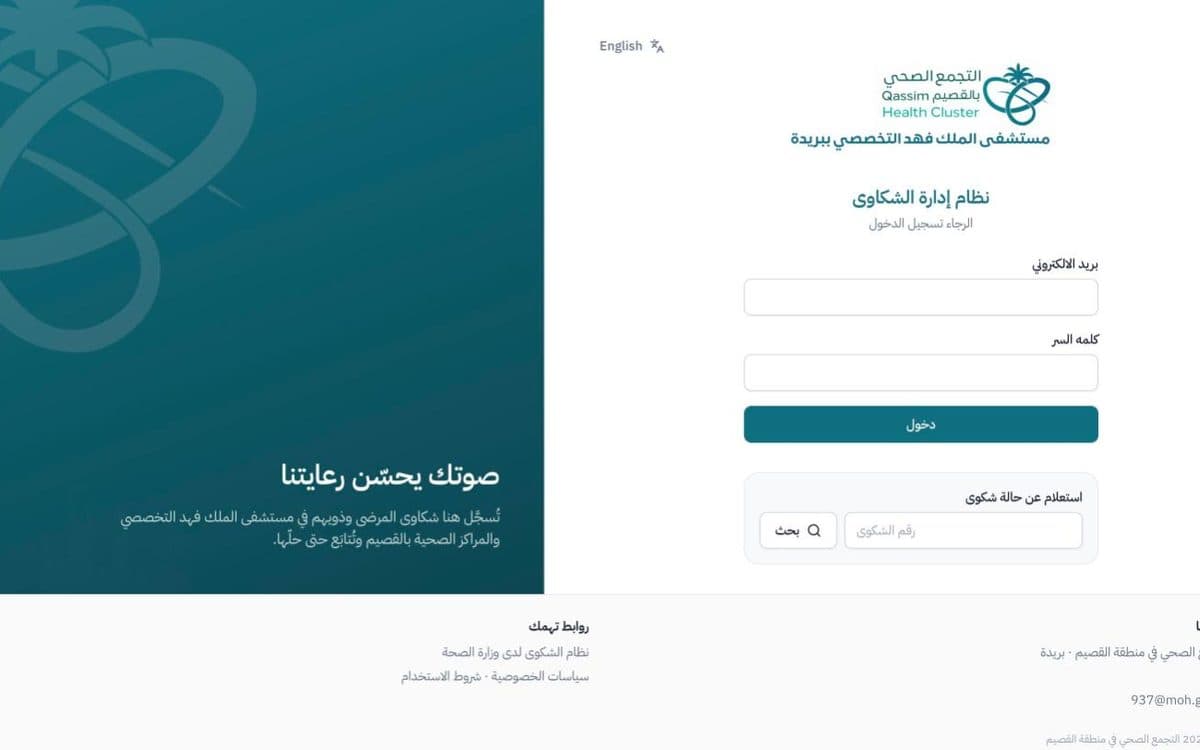
Urdu, if your patients prefer it. It needs a right-to-left layout built for it, not just translated text.
"I'm already on Marham and oladoc"
Good, stay there. Listing sites bring patients. But on a listing site you're one doctor in a long list, with competitors one tap away, and the platform owns the page. Your own website is the one place that's only about you. It's what patients find when they search your name, and you control what it says.
The two work well together: the listing sites help new patients find you, and your website makes them choose you.
A note on privacy
A clinic website shouldn't collect medical histories through a simple contact form. Ask for a name, a number and a preferred time, and keep the medical conversation for the consultation. If you need online patient records, that's a proper system with logins and access controls, not a website form.
What it costs
On our service menu, a business website is estimated at $200 to $450, about Rs 56,000 to 1.25 lakh. A one-page site with timings, fees, a map and WhatsApp starts lower. A bigger site with several doctors, a page per service and online booking costs more. After launch, expect a small yearly cost for the domain and hosting.
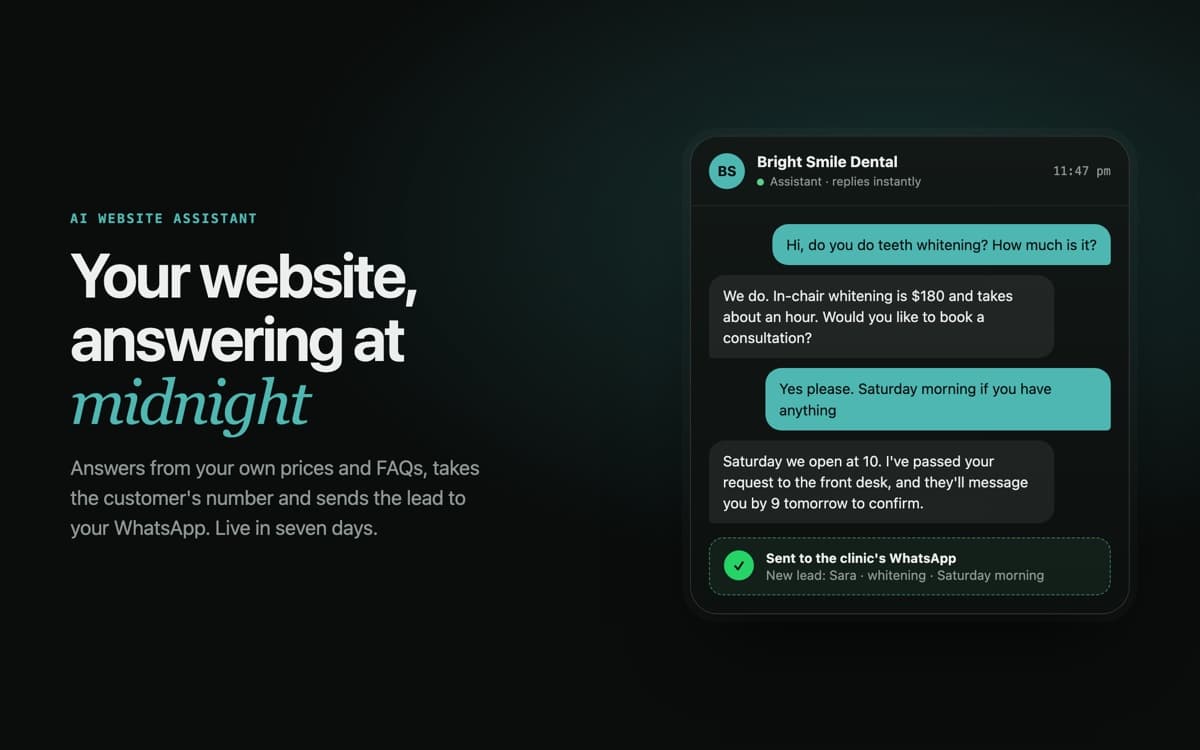
If you want questions answered after hours, an AI assistant can answer from your own timings, fees and doctors' list, and send every enquiry to your WhatsApp. It never gives medical advice. Anything clinical goes to you.
See it before you decide
We have a free tool where you type your clinic's name and see a website for it on your own phone: try the clinic style. No payment, no commitment.
For something bigger, like a hospital, a chain of clinics or a booking system, see what we've built for clinics and hospitals, or tell us about your practice. We're in Gulberg Greens, Islamabad, and work with doctors across Pakistan.