

ERP Systems
Software that can't adapt to the market today may be out of date within a year.

A good ERP keeps evolving with your business.
We build and refine systems around your processes and market, so the size of your company never limits what you can automate.
We offer several ERP options, from tailored configurations to systems built from scratch, priced for growing businesses.
One system for the whole business
Automate the routine
Orders, stock, invoices and approvals flow from one step to the next on their own, so nothing waits on someone re-typing it.
- Process automationStandard processes run at scale without manual handling.
- Sales order entered
- Stock reserved in the warehouse
- Invoice issued (ZATCA-ready)
- Delivery note and payment tracked
Numbers you can trust
Sales, purchases, stock and payroll post to the accounts automatically, so the books match reality and month-end takes days, not weeks.
- Finance accuracyFewer human errors and losses in financial transactions.
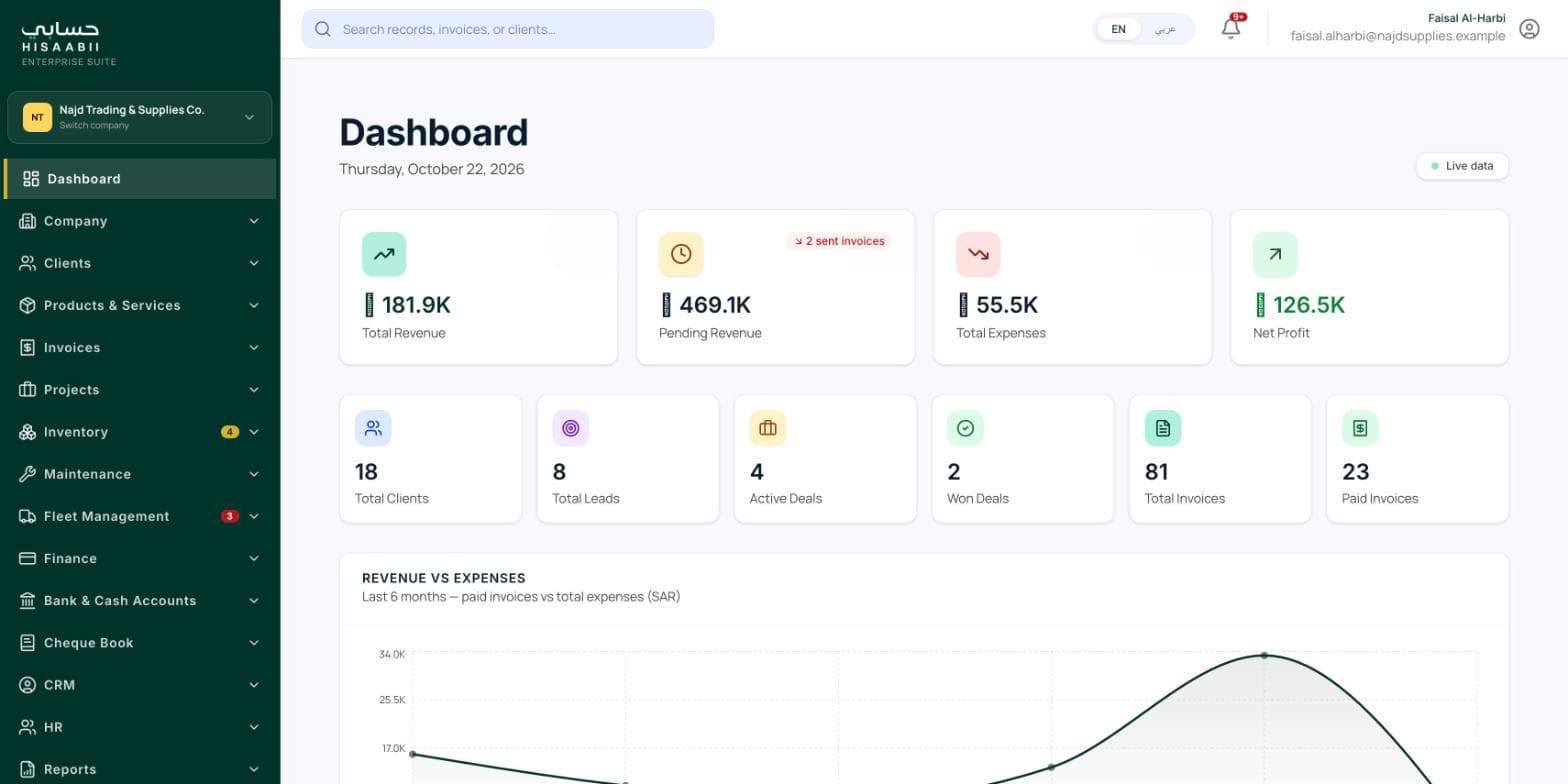
Our product: Hisaabii
Suppliers and contractors
Purchase orders, contracts, work orders and payments for every supplier and contractor, tracked in one place with approvals built in.
- Supplier & contractor managementTrack large numbers of transactions across many partners.
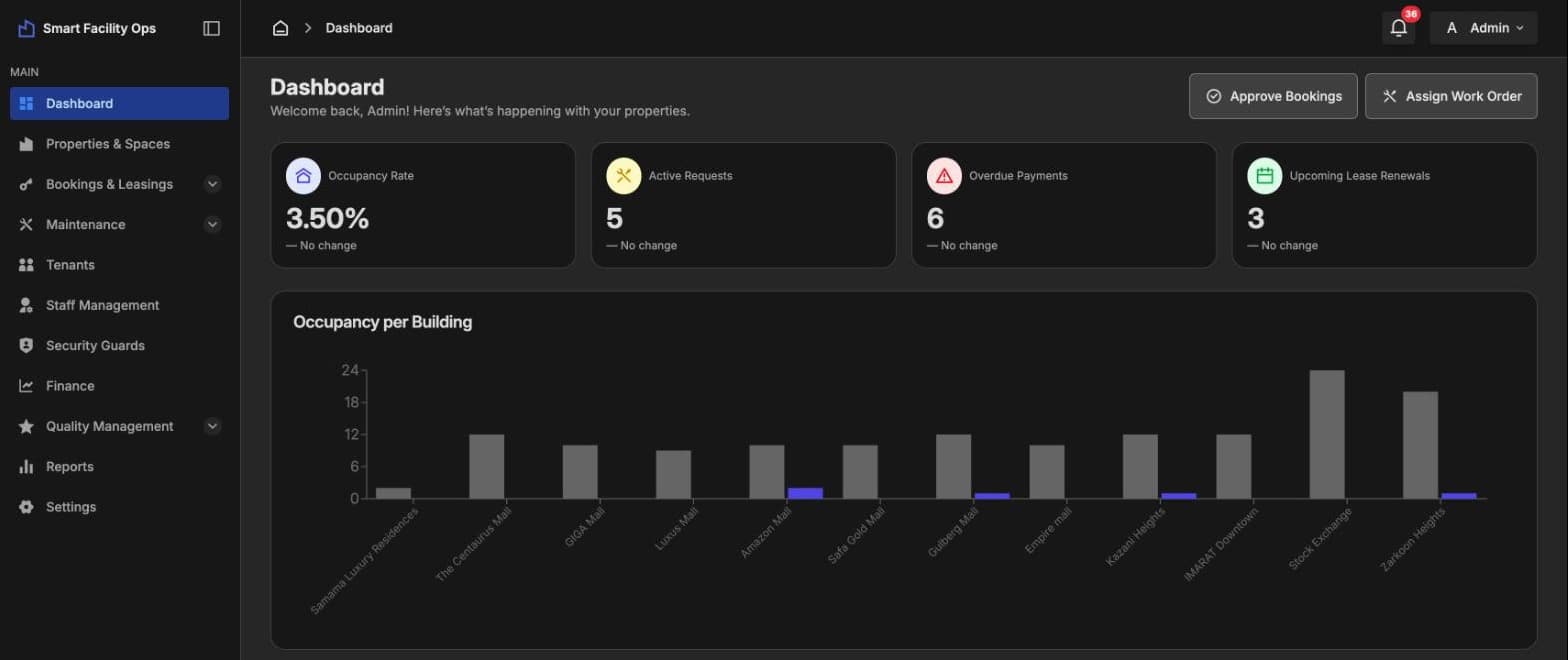
Our product: Smart Facility
Reports built in
Live reports for every department, from daily sales to stock ageing and profit by branch, without exporting to spreadsheets.
- Built-in reportingOne trustworthy view of operations, cost and margin.
Signs it's time for an ERP
- Tight margins and strong competition mean you need to cut costs and avoid failures.
- You handle many transactions, of every size, with a large number of contractors.
- Standard processes need to run reliably at scale.
- Human error is causing losses and inaccuracies in financial transactions.
- A lack of automation is holding back growth, and you don't trust your current system.
How we work
- Weeks 1–3Process reviewWe map how each department works today, and where data is re-typed, delayed or lost.
- Weeks 3–4PlanModules, workflows, reports and data migration agreed, with a phased rollout plan.
- Months 2–4Build and configureModules built or configured around your processes, tested with your own data.
- Go-liveMigrate and trainYour data moved across, each team trained, and a period running side by side if needed.
- OngoingEvolveSupport, new modules and changes as your business and regulations change.
Our products and client work for ERP Systems
All productsAll work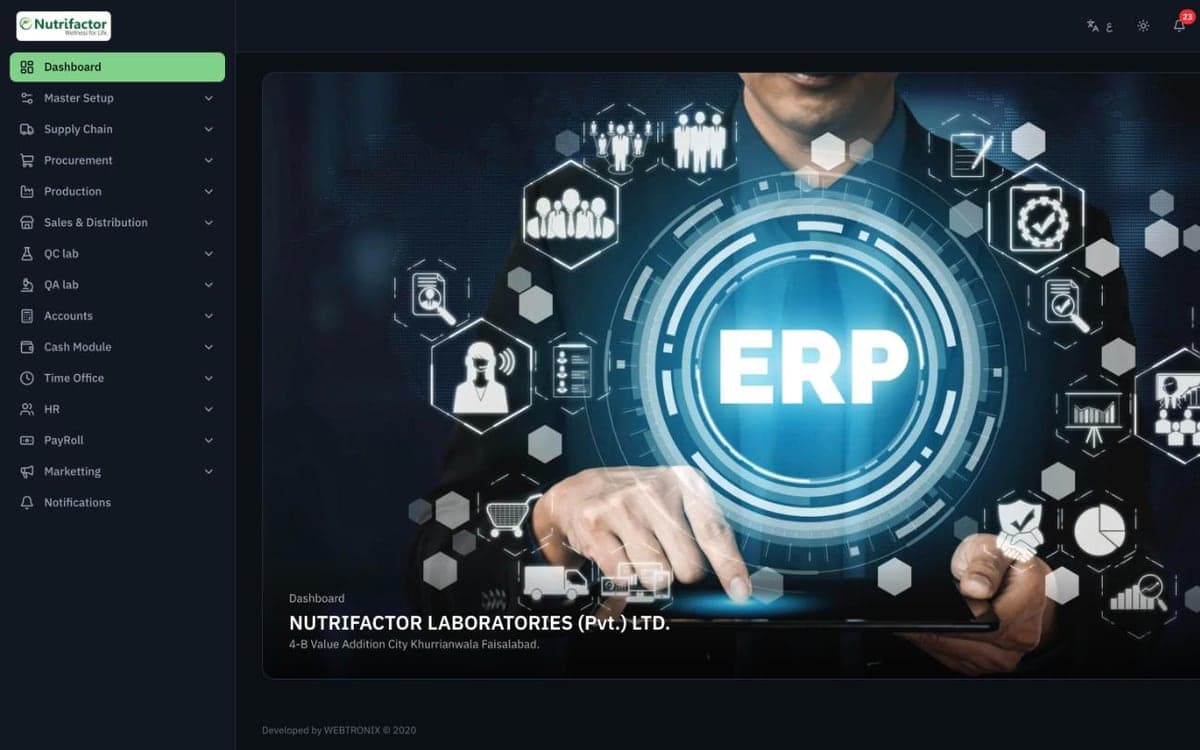
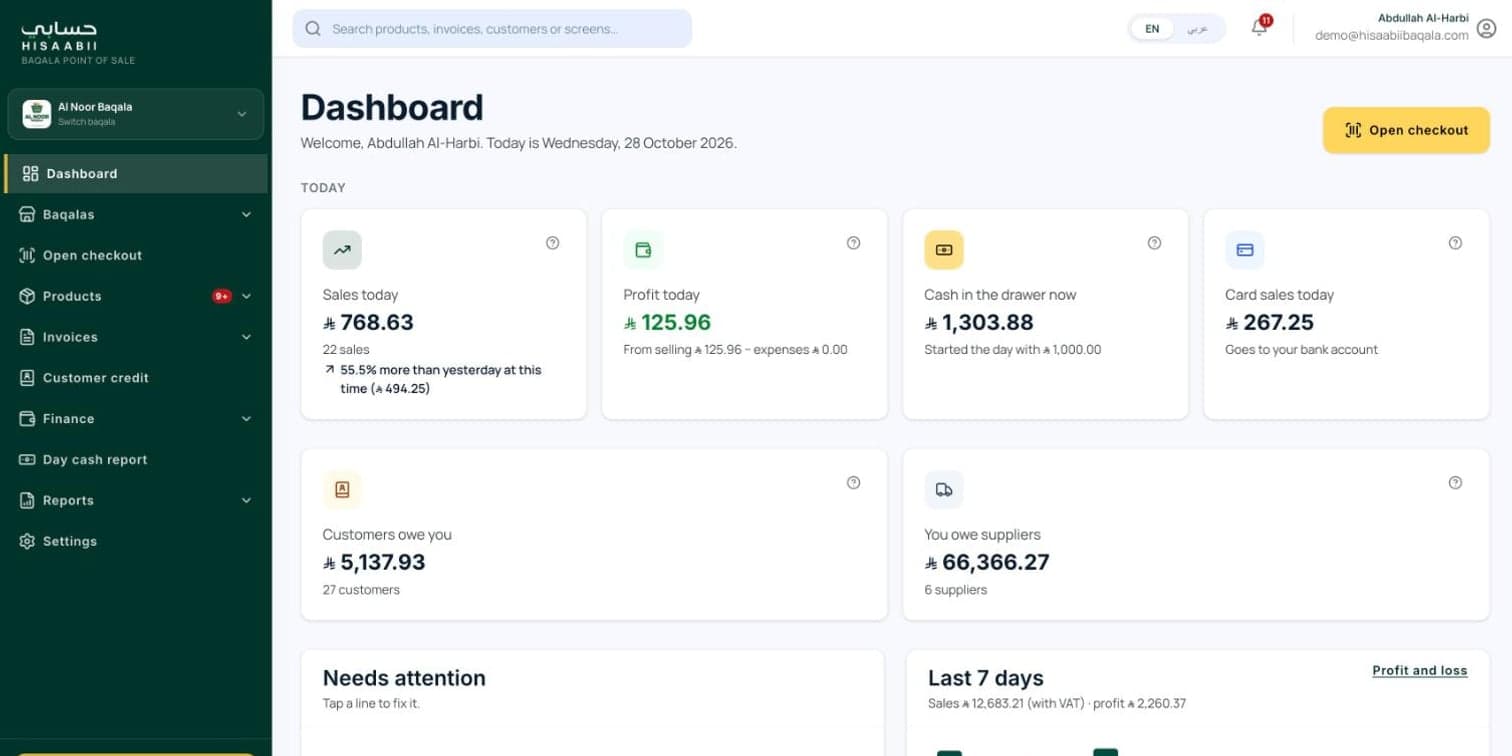
- Our product · Finance & POSHisaabiiZATCA e-invoicing and a complete business suite, in Arabic and English.
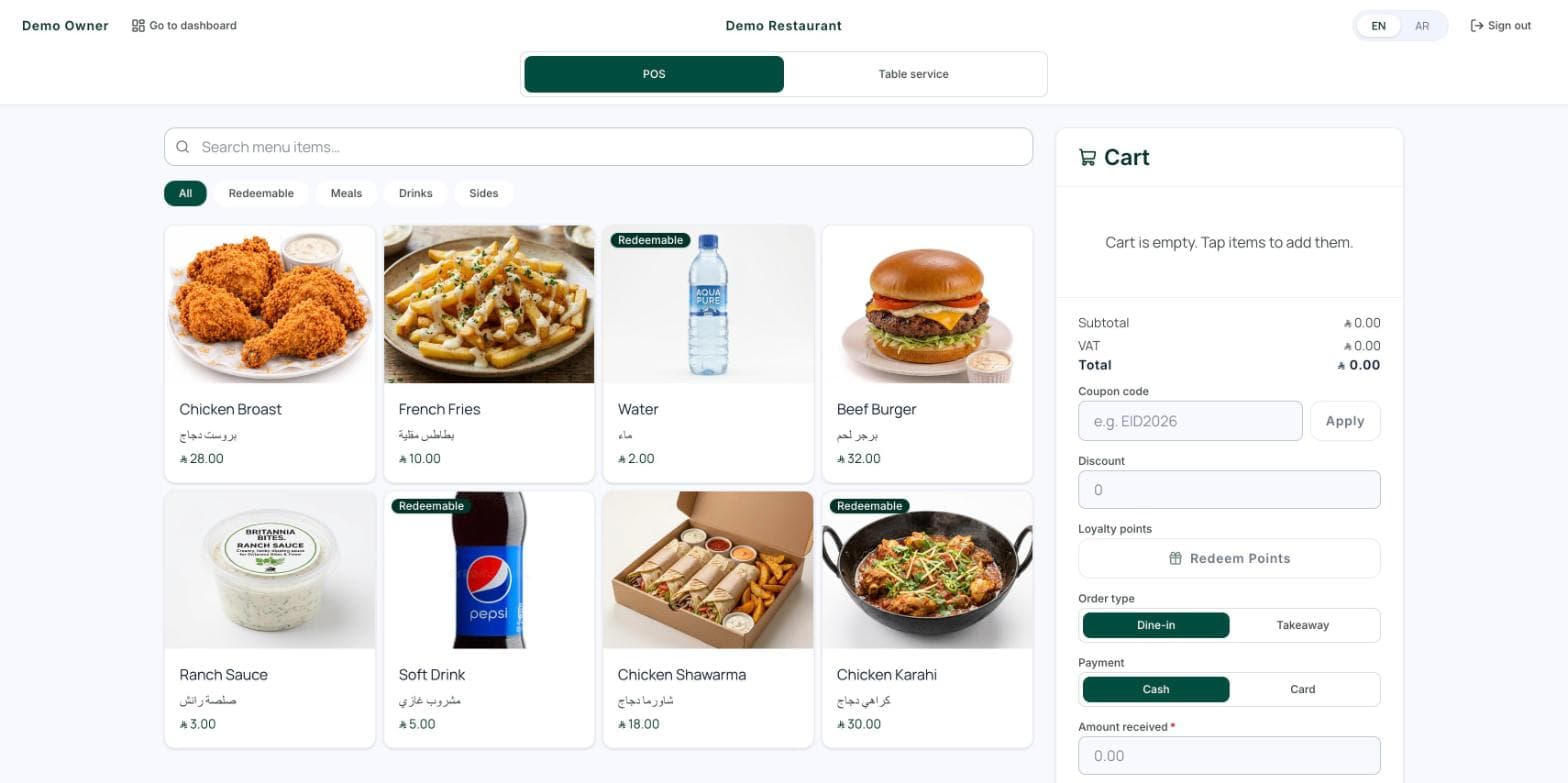
- Our product · Finance & POSHisaabii POSRestaurant POS: counter, tables, kitchen and e-invoicing in one app.
- Our product · Finance & POSHisaabii BaqalaFast checkout, customer credit and ZATCA invoices for the corner shop.
- Our product · OperationsSmart FacilityEvery building, tenant, lease and work order on one dashboard.
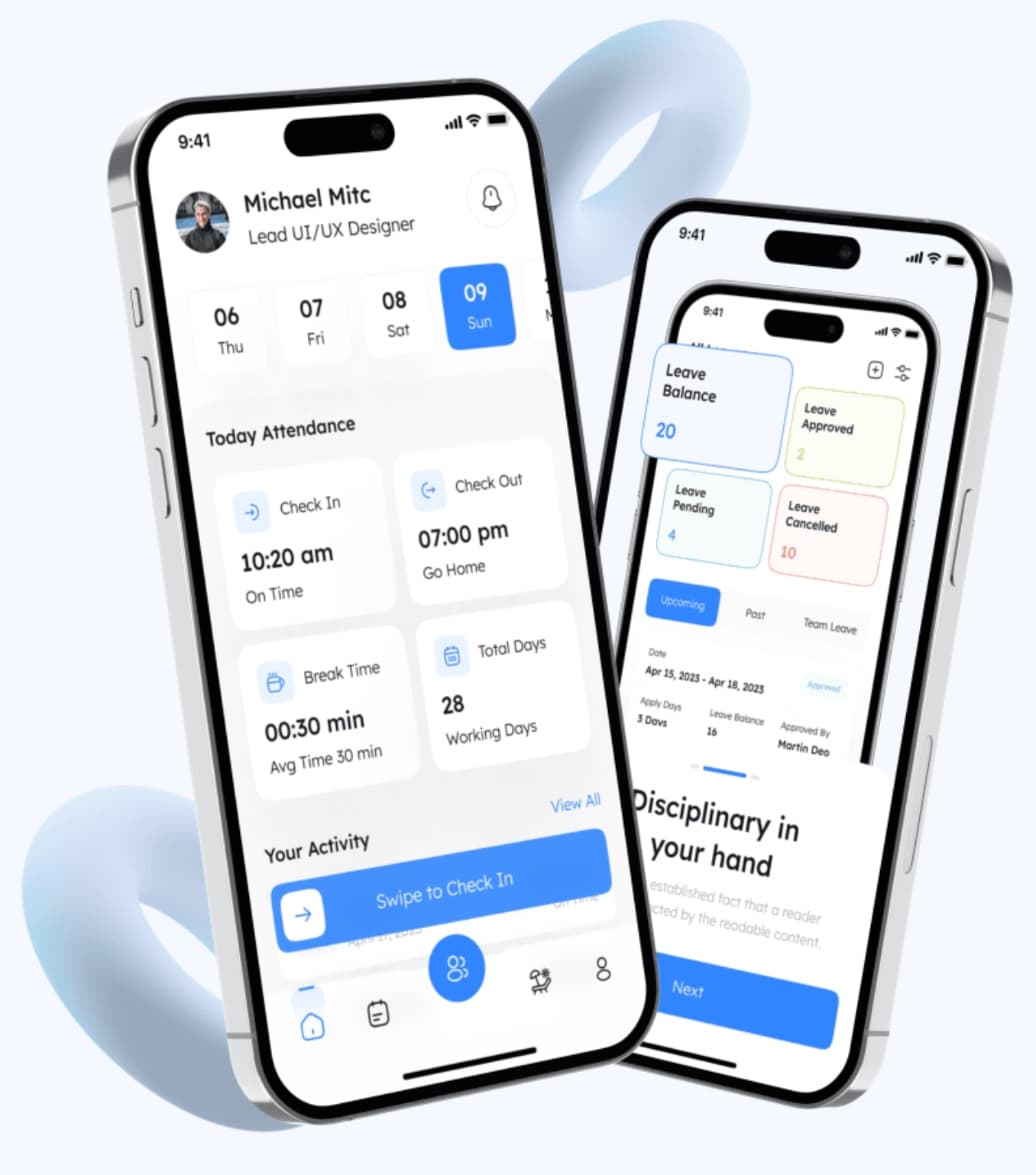
- Our product · PeopleEMSAttendance, leave and shifts without registers or spreadsheets.
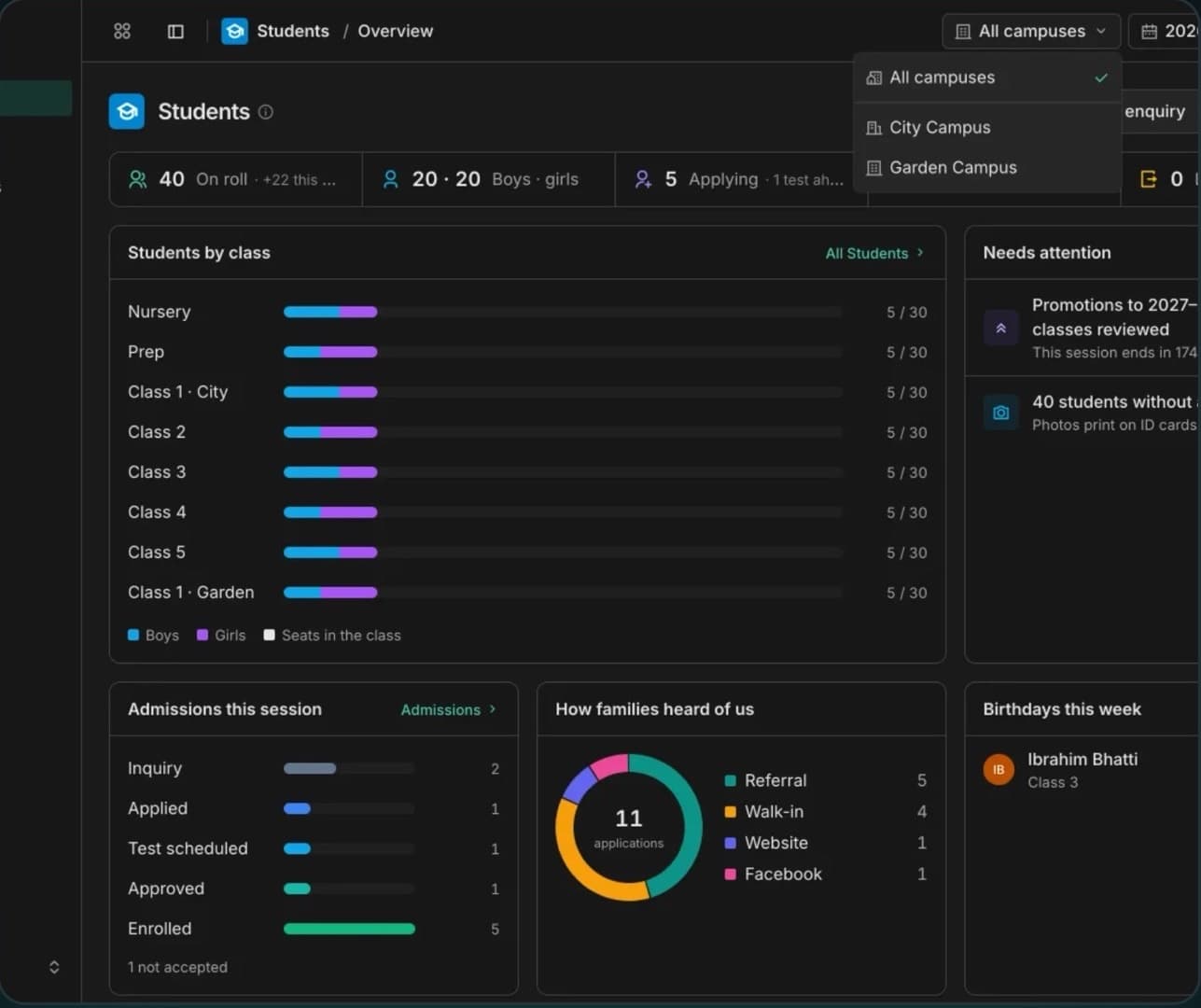
- Our product · EducationSchool360School management for Pakistan: admissions to report cards, fees to payroll, the gate to the website.
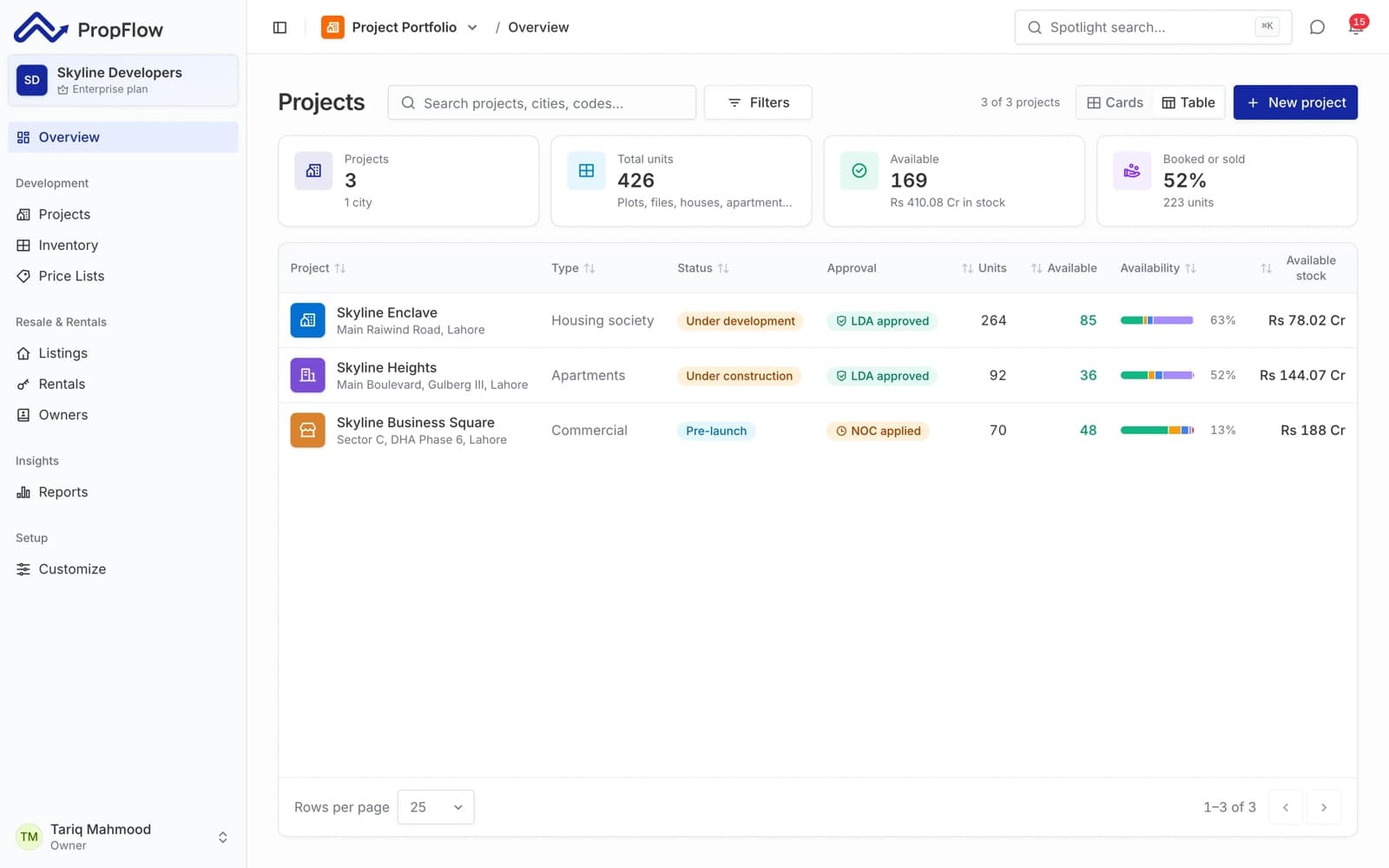
- Our product · OperationsPropFlowReal-estate CRM & ERP, from first enquiry to possession.
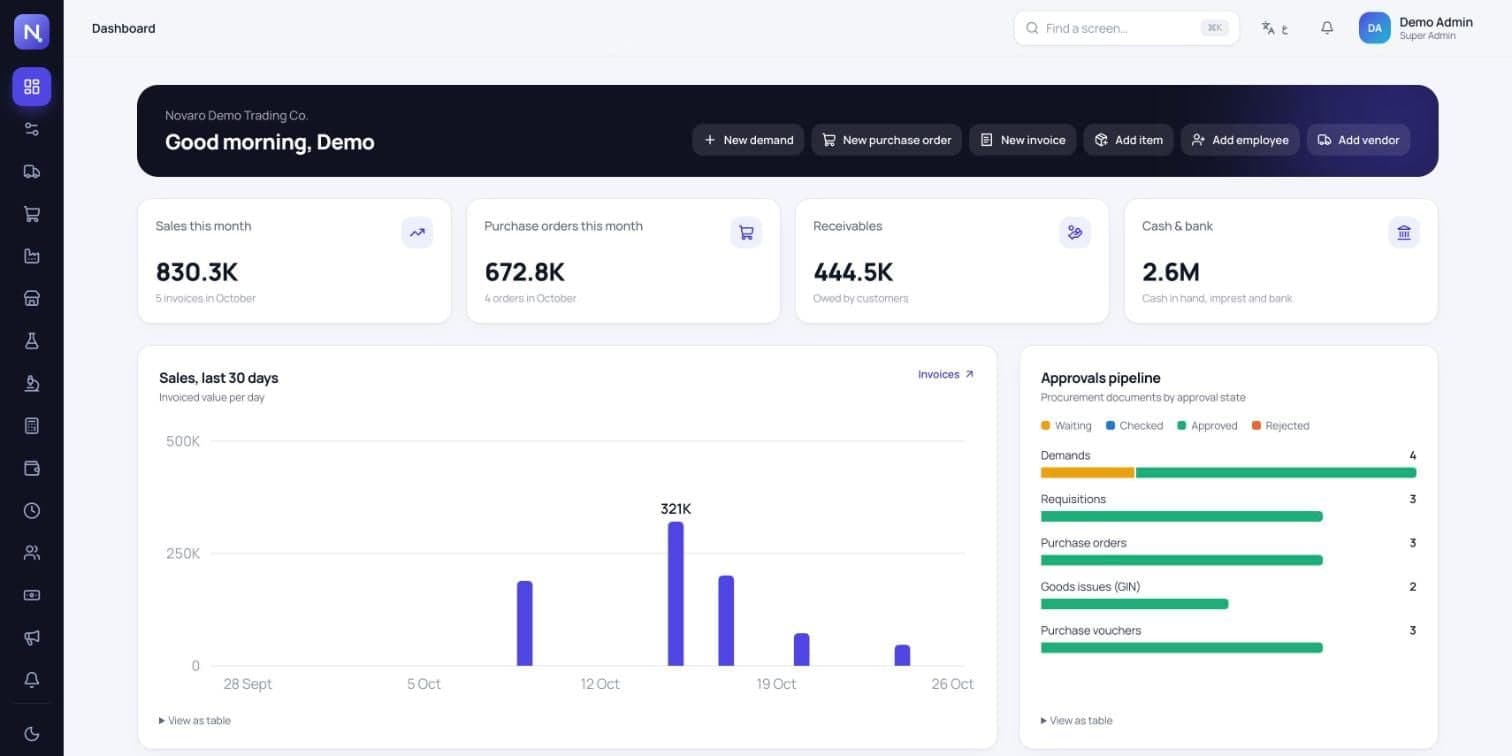
- Our product · OperationsEnterprise SuiteOne ERP for buying, making, selling, accounts and people.
Questions
Should we build an ERP or buy one?
If a ready-made ERP fits your processes, use it, and we can integrate it. When your processes are your advantage, or licence costs keep rising, a system built around you often costs less over time. Our own products, such as Hisaabii, can also be a starting point.
Can we roll it out in stages?
Yes, and we recommend it: usually finance and inventory first, then purchasing, HR and the rest.
What happens to our existing data?
We clean it and move it across, and check it with your team before go-live.
Does it support e-invoicing rules like ZATCA?
Yes. Our Hisaabii products are built for ZATCA e-invoicing, and we build the same compliance into custom ERPs where it's required.
More services